Volunteer-Friendly Control Systems for Church Production Teams
Designing Church AVL Systems With Simplicity in Mind
In many churches, audio, video, and lighting systems are operated by volunteers who faithfully serve every week. These team members often balance their production responsibilities with other roles in the church, family commitments, and full-time jobs. Because of this, technology that is intuitive and easy to operate is essential.
At AE Global, we understand that the effectiveness of a church’s AVL system is not only measured by performance, but also by how confidently it can be operated by the people serving behind the scenes. Control systems designed with volunteers in mind help reduce stress, improve consistency, and support a smoother worship experience.
Churches often struggle with systems that are overly complex or difficult to learn. Complicated menus, unclear labeling, and disconnected control platforms can make even simple tasks feel overwhelming. When simplicity is prioritized, volunteers are free to focus on supporting worship rather than troubleshooting technology.
The Role of Volunteers in Weekly Services
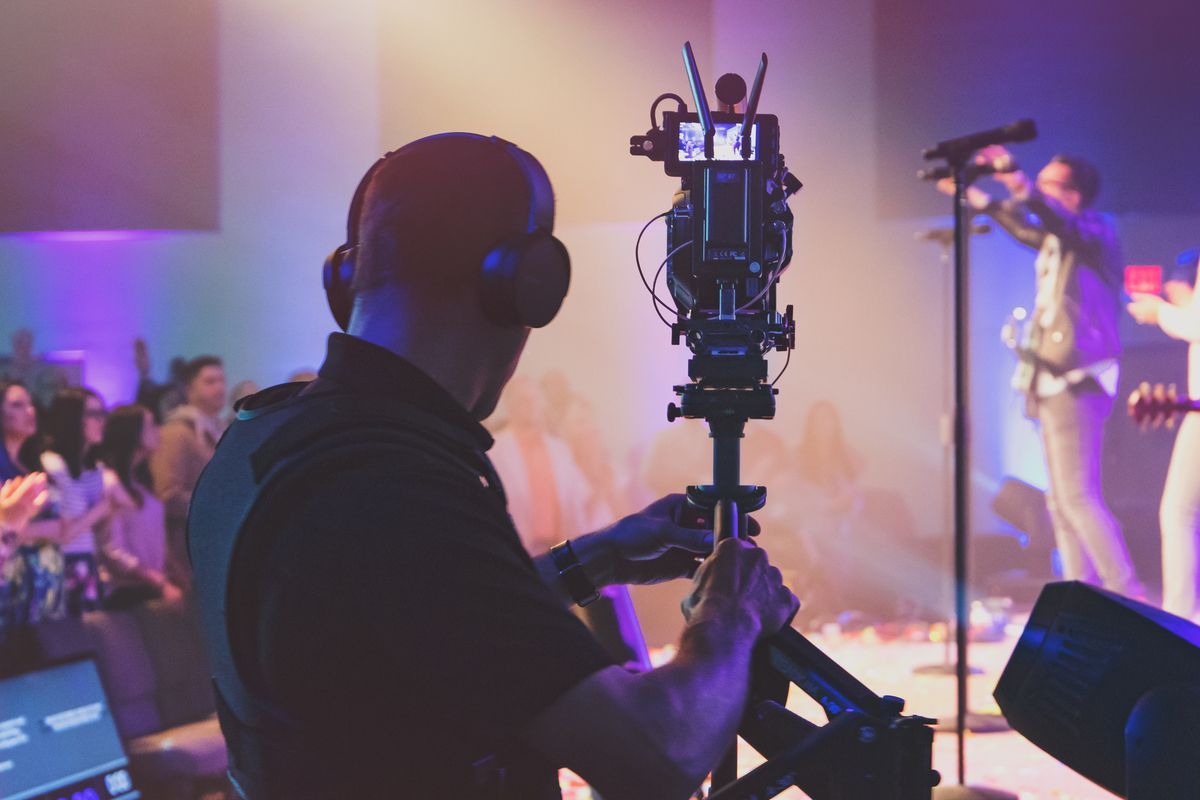
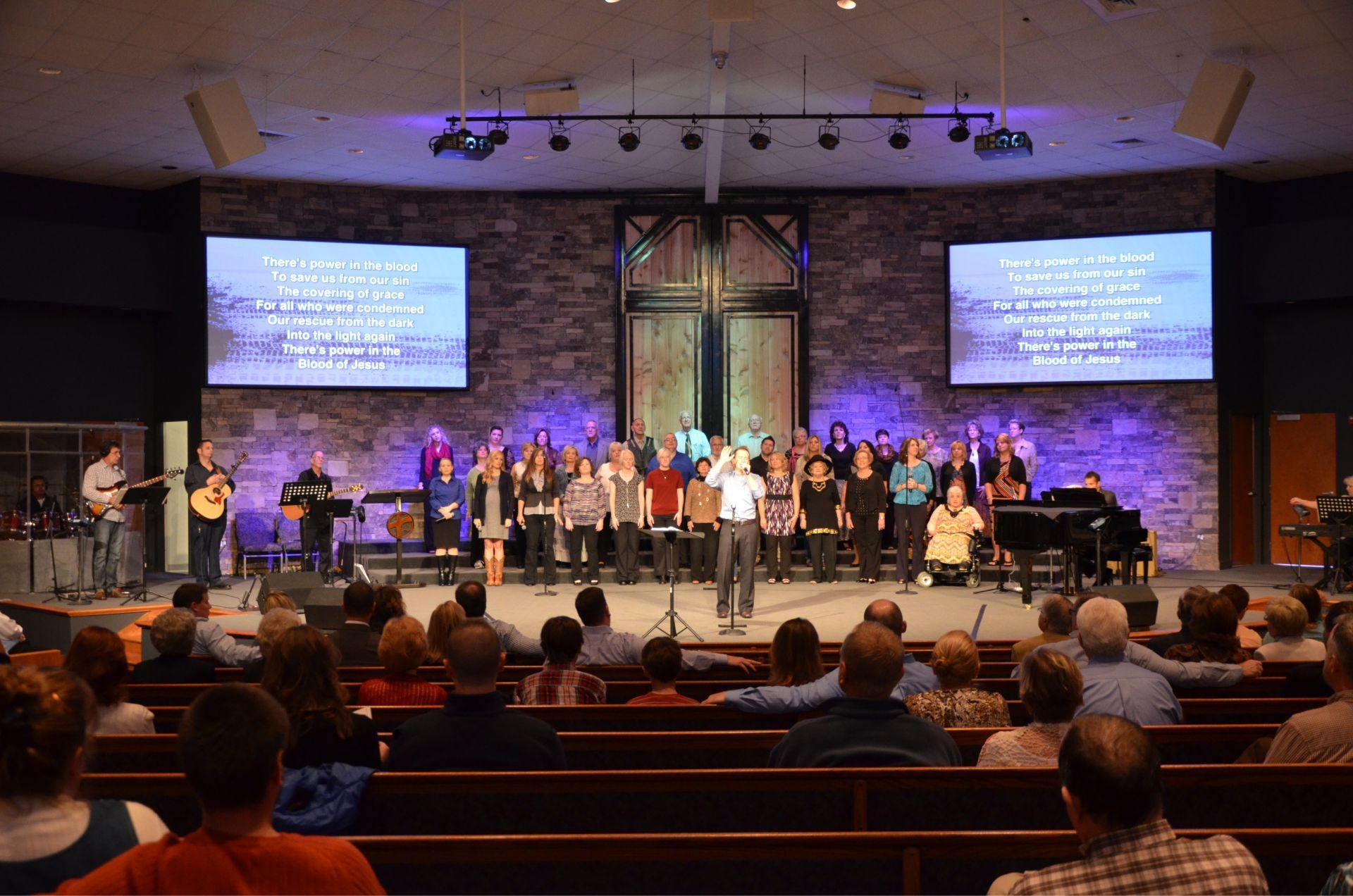
Volunteers play a critical role in ensuring that worship services run smoothly. They manage audio levels, advance slides, adjust lighting, and respond to unexpected changes in real time. When systems are easy to understand, volunteers are more confident and better equipped to handle these responsibilities.
Complex equipment can create challenges, especially for newer volunteers. Without clear workflows, small mistakes can lead to distractions during services. Volunteer-friendly control systems help churches build reliable teams by making technology approachable and easier to learn.
What Makes a Control System Volunteer-Friendly
Intuitive Layouts and Preset-Driven Workflows
A volunteer-friendly control system begins with an intuitive layout. Clearly labeled controls, logical signal flow, and simple navigation help operators understand what they are adjusting and why it matters. When the system layout mirrors the way services actually run, volunteers can learn quickly and operate with confidence.
Preset-driven workflows are another key element. Presets allow common tasks to be performed with a single action, such as changing lighting scenes, adjusting audio levels for different service elements, or switching video sources. This reduces the need for manual adjustments and minimizes the risk of errors during live services.
Examples of Commonly Used Control Interfaces
Touchscreen Consoles and Simplified Control Platforms
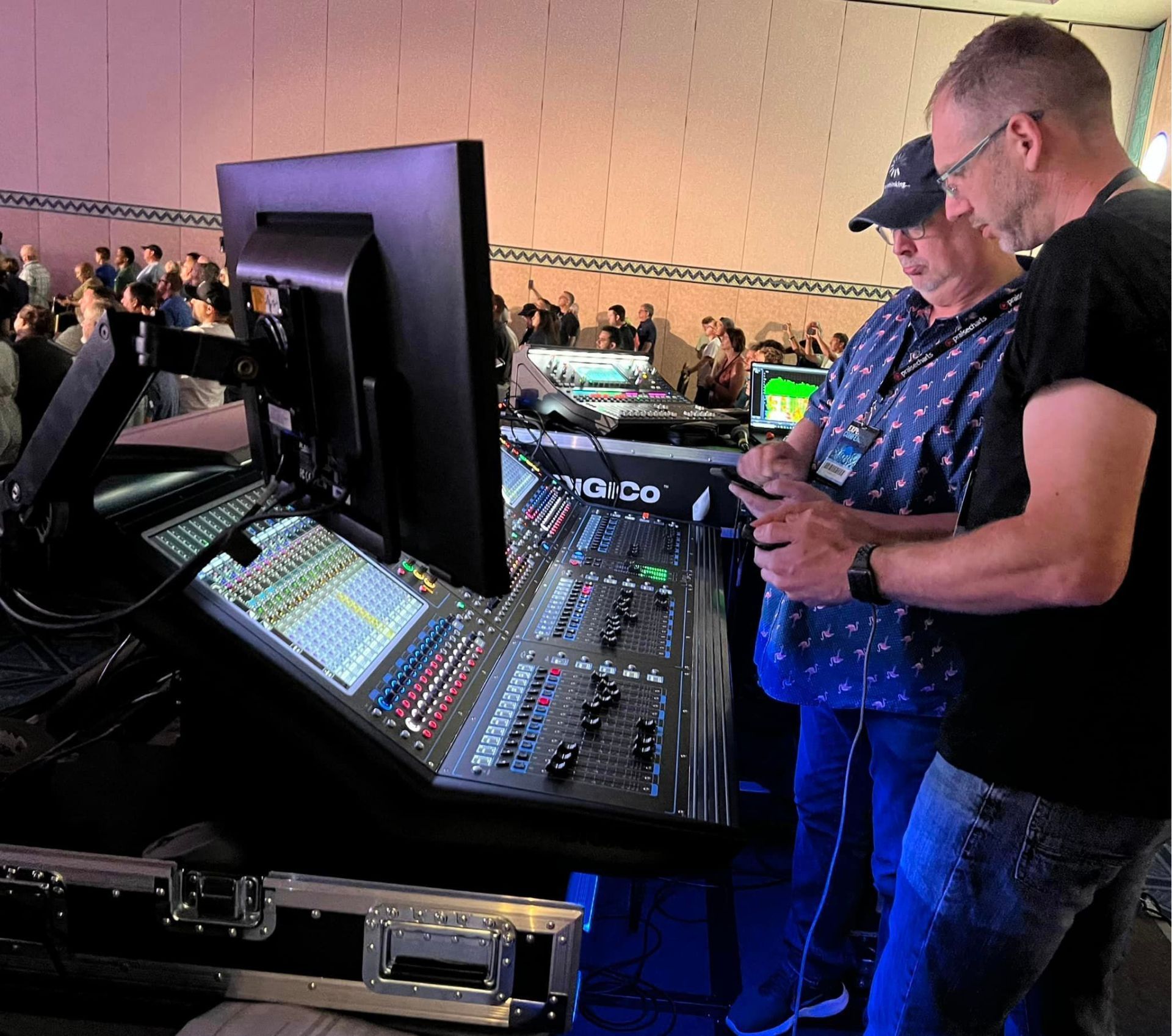
Many churches rely on touchscreen consoles and streamlined control interfaces to manage their AVL systems. These interfaces present controls visually, making it easier for volunteers to understand system status at a glance. Touchscreen layouts can be customized to match a church’s workflow, which helps operators stay focused during services.
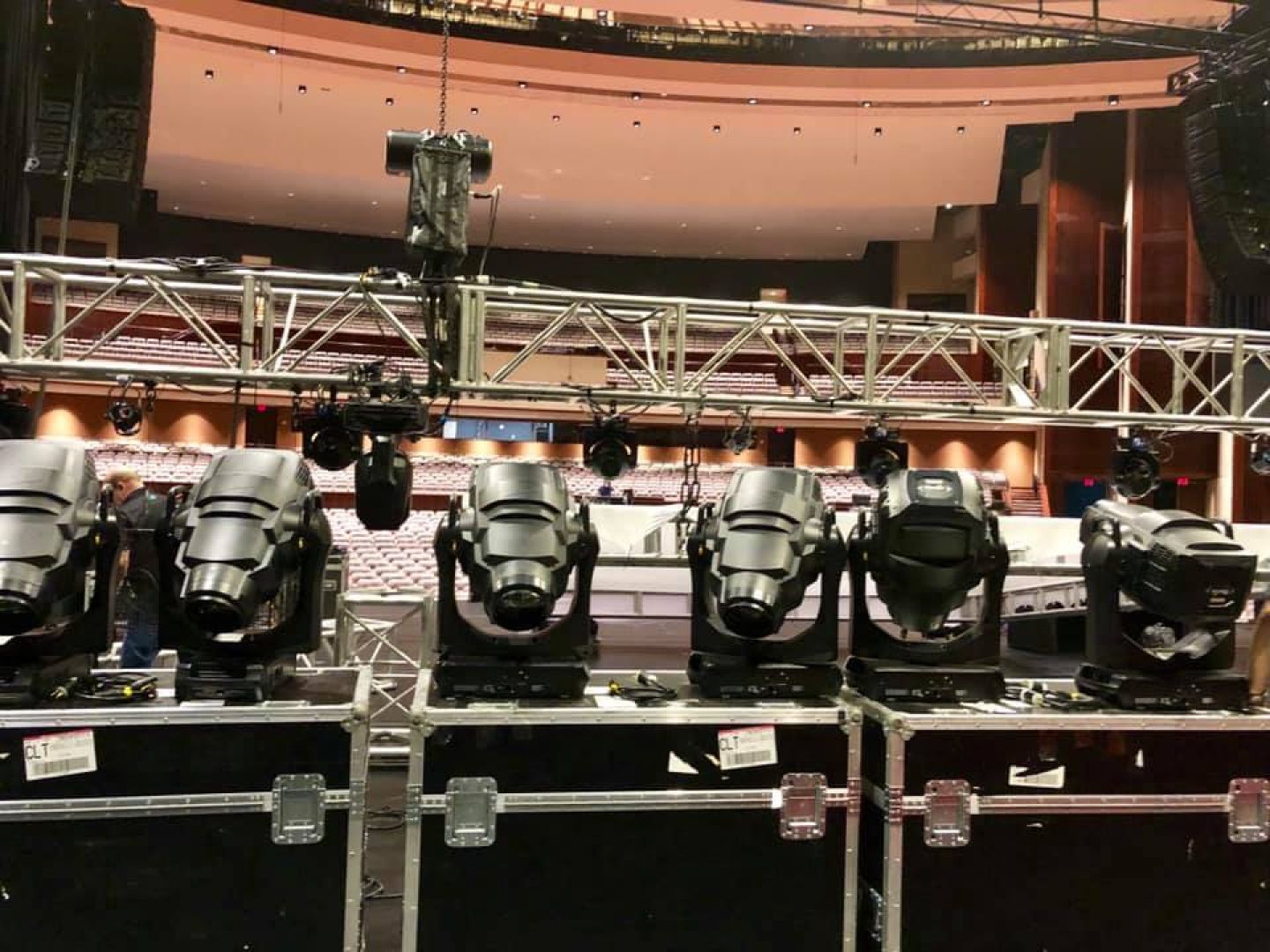
Simplified lighting and media control systems also play an important role. Instead of requiring volunteers to manage multiple devices, modern systems allow lighting, video playback, and audio routing to be accessed from fewer control points. This consolidation makes training easier and improves overall consistency.
Designing Systems for Both Beginners and Experienced Operators
Layered Control Options for Different Skill Levels
A well-designed control system should support volunteers with varying levels of experience. New operators benefit from simplified views and preset-based operation, while more experienced team members may need access to advanced controls.
Layered control options make this possible. Basic users can operate the system using predefined controls, while advanced users can access deeper settings when necessary. This approach allows churches to train volunteers gradually and build confidence over time.
AE Global designs systems with this flexibility in mind. By understanding the skill level of each church’s production team, we create control environments that meet both current needs and future growth.
Integrating Audio, Video, and Lighting Into One Control Hub
Managing separate control stations for audio, video, and lighting can complicate communication and lengthen response times. Integrated control hubs simplify operations by consolidating multiple systems into a unified interface.
When audio, video, and lighting systems are connected, volunteers can coordinate transitions more effectively. Communication improves, setup time is reduced, and the entire team operates within a shared workflow. This integration is especially valuable during services with multiple elements or special events that require precise timing.
Wireless Control for Greater Mobility
Supporting Events, Rehearsals, and Flexible Setups
Wireless control adds another layer of convenience for volunteer teams. Tablet-based or mobile control enables operators to adjust settings while moving throughout the room, providing a better sense of how changes translate across the room.
Wireless control is especially useful during rehearsals, special events, or services that require frequent adjustments. Volunteers can make real-time changes without leaving their position or interrupting the service flow. When implemented securely and correctly, wireless control enhances flexibility without sacrificing reliability.
Training and Onboarding for Production Teams
Building Confidence Through Consistent Training
Even the most user-friendly system requires training. Volunteers feel more confident when they understand not only how to use the controls, but also why certain adjustments are made. Clear onboarding processes help new team members integrate quickly and reduce reliance on a small group of experienced operators.
Regular refresher sessions are also valuable. As systems evolve and new features are added, ongoing training ensures that volunteers remain comfortable and capable. Consistent training builds confidence, reduces mistakes, and helps retain volunteers over time.
AE Global’s Approach to Volunteer-Focused System Design
AE Global takes a collaborative approach when designing control systems for churches. We begin by learning how the production team operates, how volunteers are trained, and what challenges they currently face. This insight enables us to recommend equipment and control platforms that are at the team’s comfort level.
By selecting systems that align with real-world workflows, AE Global helps churches create environments where volunteers are successful. Our goal is to provide technology that supports ministry rather than complicates it.
Empower Your Team With AE Global’s Expertise
Volunteer-friendly control systems make a meaningful difference in the life of a church. When technology is accessible and intuitive, volunteers serve with confidence, and services run more smoothly.
AE Global partners with churches to design control systems that support both excellence and simplicity. If your church wants to improve the way volunteers interact with audio, video, and lighting systems, AE Global can help. Call 800-467-3709 or visit our website to learn how we can support your production team with thoughtful, volunteer-focused design.