How Churches Build a Broadcast-Ready Production Setup
At AE Global, we work with churches that want to reach people beyond the walls of their building. For many of them, the vision is clear, but the path to a reliable, professional broadcast setup is not. Building a broadcast-ready production system is not simply a matter of adding a camera to the back of the room. It requires a thoughtful approach to audio, video, lighting, and the systems that connect them.
Why Broadcast Capability Has Become a Ministry Essential
Online audiences are no longer a contingency plan for churches. They are a consistent, expected part of how congregations stay connected and how new people first encounter a church community. Families watching from home, members away for work or travel, and individuals exploring faith for the first time often engage with a church's online presence long before they ever attend in person.
That reality raises the expectations for what a broadcast setup needs to deliver. Poor video quality or inconsistent audio does not just reflect on the production team; it reflects on the church itself. A well-designed broadcast system communicates that your online audience receives the same level of care and preparation as the congregation in the room.
Start With an Honest Assessment of Your Current Setup
Before planning what comes next, it is important to take a careful look at what you currently have and where it falls short. Many churches find themselves working with equipment that was added reactively over time rather than designed as a cohesive system.
Common Gaps in Existing Church Setups
The most common issues include consumer-grade cameras that struggle in uneven or low light, audio feeds pulled directly from the house mix without broadcast-specific processing, and the lack of a dedicated encoder to maintain a stable, consistent stream. Each of these limitations creates noticeable problems for your online audience on its own. Together, they produce an experience that is difficult to watch and listen to and difficult to sustain week after week.
What Broadcast-Ready Actually Means
A broadcast-ready system is not defined by any single piece of equipment. It is defined by how reliably your entire signal chain performs, from the moment sound reaches a microphone and light hits a camera lens, to the stream your online audience receives on their device. That depends on properly processed audio, well-positioned cameras calibrated for your space, stage lighting that translates clearly on camera, and encoding and distribution systems built to handle a live, weekly workload. Reliability also requires redundancy. A system designed for real-world ministry use has contingencies in place to prevent a single point of failure from interrupting the stream mid-service.
The Core Components of a Church Broadcast System
Once you have a clear picture of where your current setup stands, it becomes easier to identify what needs to be added or upgraded. Broadcast systems for churches generally involve three primary areas: cameras, audio, and encoding.
Cameras and Capture
Camera selection, placement, and quantity are all shaped by the size of your space and the needs of your production. Smaller churches may find that two or three well-positioned cameras provide sufficient coverage. Larger rooms or more dynamic services typically require a broader approach. The decision between operator-run cameras and remotely operated or fixed options also has a direct effect on your volunteer requirements. Systems planned with your team's actual capacity in mind from the beginning are more sustainable than those that require more operators than your church can regularly staff.
Audio for Broadcast
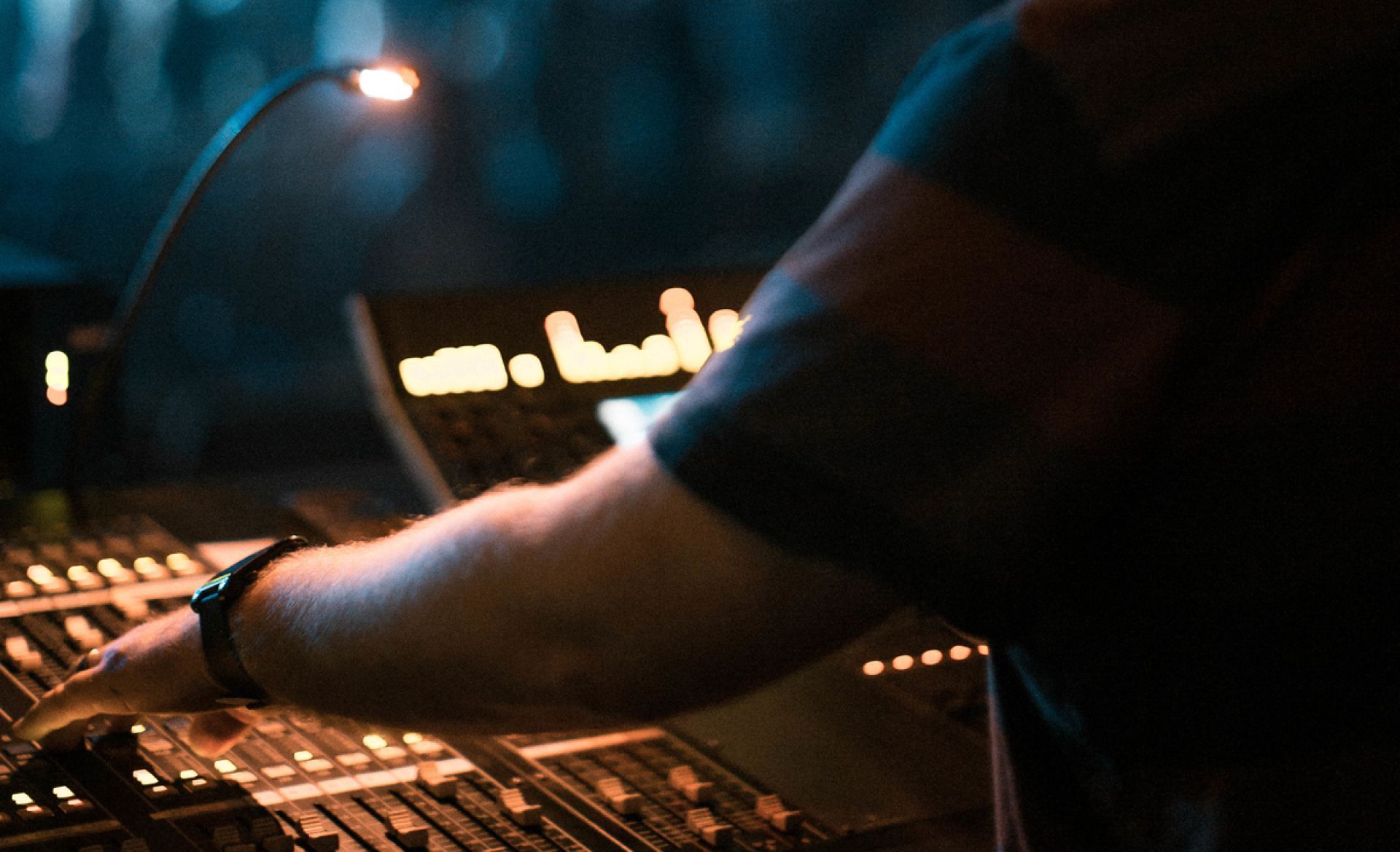
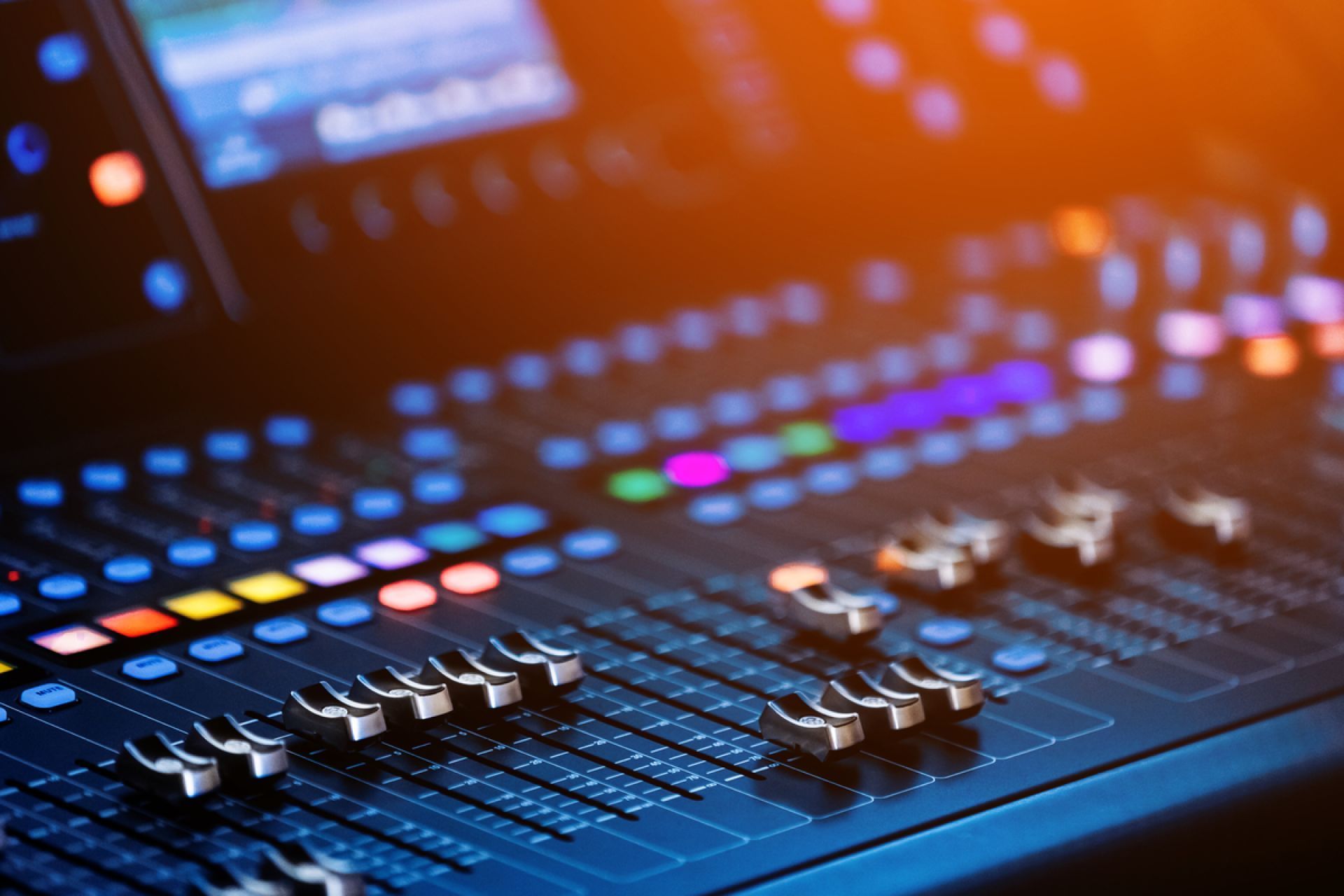
Broadcast audio is one of the most frequently underestimated components of a church streaming setup. The mix that works in the room is shaped by the acoustics of that space, and it does not translate to headphones or laptop speakers without adjustment. A dedicated broadcast audio feed, separate from the house mix, gives your online audience a clean, balanced sound that was intentionally prepared for them. Addressing this element properly often produces a more noticeable improvement in stream quality than any camera upgrade.
Encoding, Streaming, and Distribution
An encoder converts your audio and video signals into a format that can be delivered over the internet consistently and reliably. Hardware encoders tend to offer greater stability for weekly live services, while software-based options provide more flexibility at a lower initial cost. The appropriate choice depends on your budget, your team's technical familiarity, and the level of dependability your church requires. Platform selection, whether that includes YouTube, Facebook, a dedicated church app, or a combination, also factors into how the system is configured and managed.
How Lighting Affects Your Broadcast Quality
Stage lighting that reads well in person does not always translate well on camera. Lighting designed without broadcast in mind can create contrast problems on screen, washing out faces or leaving portions of the stage underexposed in the final video. Achieving broadcast-quality results requires lighting that was planned with the camera in mind from the start, not adjusted after the fact.
This is one of the reasons we approach AVL as an integrated system rather than three separate categories. When lighting, audio, and video are designed together with both the in-room and online audiences in mind, the outcome serves both consistently.
Planning the Installation Around Your Schedule
Adding broadcast capability to an existing space involves real installation work, and the timing of that work matters as much as the work itself. Cable runs, camera mounting, encoder configuration, and system testing all need to be scheduled so they do not conflict with your regular services or programming.
A phased approach is sometimes the most practical path forward. Beginning with the most essential components and expanding from there gives your team time to gradually become familiar with new equipment, without disrupting the services your congregation depends on. Scheduling installation during lower-activity periods keeps the process manageable. Once your system is in place, our service and repair team provides the ongoing support needed to keep it performing reliably over the long term.
Training Your Team to Run It Well
A well-designed broadcast system is only as effective as the people who operate it. At AE Global, we build training into the installation process rather than treating it as a separate step, because a system your team understands and feels prepared to operate will actually perform well every week.
When your broadcast program does not depend on a single specialized operator being present at every service, your church gains consistency and stability. Volunteers who are properly trained and working with intuitive equipment are more confident in their role and better equipped to handle what comes up during a live service.
Ready to Build a Broadcast Setup Your Church Can Count On?
A broadcast-ready production setup is an investment in your church's ability to reach people wherever they are. With the right components, a system designed to work as a whole, and a team equipped to run it well, your online audience receives an experience that reflects the same care your church brings to everything it does.
If you are ready to take the next step, call 800-467-3709 or
visit the website to discuss what a broadcast-ready setup could look like for your church.