Improving Energy Efficiency in Church Lighting Systems
Lighting systems in churches are used regularly beyond just weekly services. Lights are running for rehearsals, events, meetings, and everyday activities. Over time, that consistent use can lead to higher energy costs and increased demand on equipment.
At AE Global, we work with churches to design lighting systems that are both effective and efficient. Improving energy efficiency is not just about lowering utility bills. It is also about creating systems that run reliably, are easier on your facility over time, and remain easy for teams to manage. When lighting is designed with thoughtful planning, it supports both the ministry's needs and the system's long-term performance.
Understanding Where Energy Is Used in Church Lighting Systems
Energy use in a lighting system goes beyond the fixtures themselves. It also depends on how those fixtures are powered, how often they are used, and whether they are running at full output when not needed.
In many churches, lighting systems are set up to handle larger moments, such as large services or special events. But those same systems are often used throughout the week for smaller gatherings where full output is not necessary. Without the right controls in place, this can lead to unnecessary energy use.
Taking time to understand how lighting is used throughout the week is a helpful first step. Once those patterns are clear, it becomes much easier to identify where adjustments can make a real difference.
Moving From Traditional Fixtures to More Efficient Lighting Options
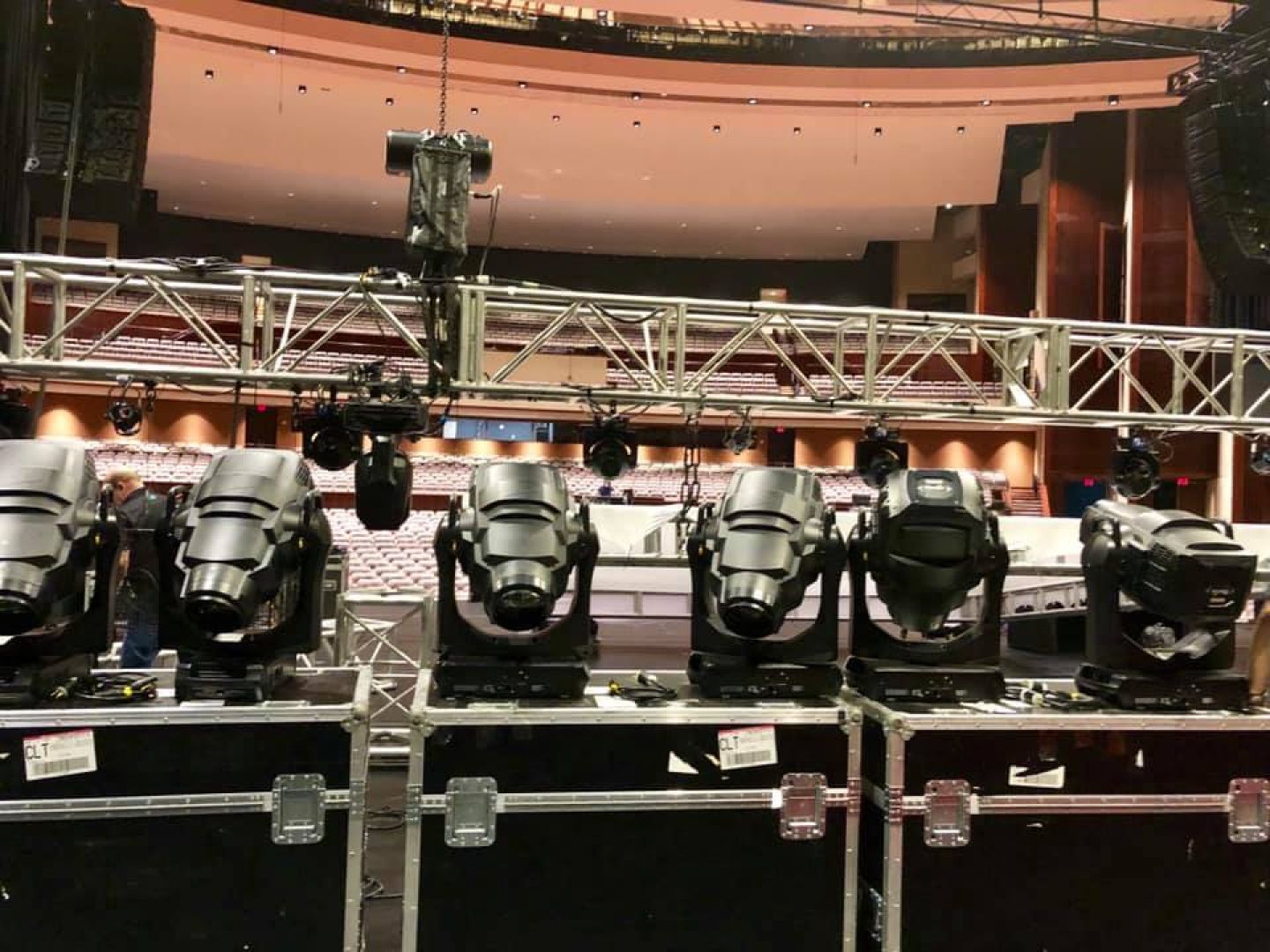
One of the most effective ways to improve energy efficiency is by updating older lighting fixtures. Many churches still use traditional lighting technologies that require more power and generate more heat than needed.
Why LED Lighting Works Well in Churches
LED lighting has become the standard for today’s church buildings. It uses significantly less energy than older fixtures while delivering consistent, reliable output.
LED fixtures also produce less heat, which helps create a more comfortable space and reduces the load on heating and cooling systems. In addition, they last longer, which means fewer replacements and less ongoing maintenance.
Making the switch to LED lighting is one of the most practical ways to improve efficiency while maintaining reliable lighting.
Reducing Energy Use Through Smarter System Design
Energy efficiency is not only about the fixtures you install. It is also about how the system is designed and how it is used day to day.
A well-designed lighting system allows output to be adjusted based on what is actually needed in the moment. Instead of running at full power all the time, lighting can be adjusted to fit the setting.
Using Presets and Control Systems to Manage Output
Pre-programmed lighting settings and control systems make it easier to manage energy use. By creating specific lighting setups for different activities, teams can avoid using more lighting than necessary.
For example, a midweek meeting may require only a portion of the system, while a larger service may call for full output. With clear presets in place, switching between these setups becomes simple and consistent.
This approach not only improves efficiency but also makes the system easier to operate.
Minimizing Unnecessary Lighting Usage
In many cases, energy is wasted simply because lights stay on longer than needed. This often happens when systems are difficult to control or when there are no clear processes for everyday use.
The good news is that reducing unnecessary usage does not require major changes. Small adjustments can lead to significant improvements over time.
Creating Simple Workflows for Daily Use
Simple workflows make a big difference. When controls are easy to understand, teams are more likely to use the system properly and turn lights on and off as needed.
At AE Global, we focus on designing systems that are intuitive and easy to navigate. When people feel comfortable using the system, it becomes much easier to manage energy use effectively.
Reducing Heat and Its Impact on the Facility
Lighting systems that are not energy efficient often produce excess heat. That heat does not just affect comfort. It also impacts how the building operates.
Higher heat levels place additional demand on HVAC systems, which can increase energy costs and put more wear on equipment over time.
By improving lighting efficiency, churches can reduce heat output and create a more stable environment. This helps support comfort while also improving overall system performance.
Planning Lighting Systems for Long-Term Efficiency
Energy efficiency works best when it is part of the initial design, not just something added later. Planning ahead allows churches to build systems that continue to perform well as needs change.
This includes choosing equipment that can adapt to different uses, designing infrastructure that supports future expansion, and selecting control systems that allow for flexibility.
When efficiency is built into the system from the start, it is much easier to maintain over time.
Supporting Volunteers With Efficient and Simple Systems
Many churches rely on volunteers to operate lighting systems. If a system is too complex, it can lead to inconsistent use and unnecessary energy waste.
Simple, well-organized systems help volunteers operate lighting more effectively. When controls are clear and predictable, teams can make adjustments with confidence and avoid leaving systems running when they are not needed.
At AE Global, we design lighting systems with everyday use in mind. By focusing on simplicity and clarity, we help ensure that systems are both efficient and easy to manage.
How AE Global Helps Churches Improve Lighting Efficiency
Every church approaches lighting differently. At AE Global, we start by understanding how a system is currently used, then identify practical ways to improve efficiency.
This may include upgrading fixtures, refining control systems, or adjusting how lighting is used throughout the week. Our goal is to recommend solutions that make a real impact without adding unnecessary complexity.
By working closely with each church, we help create lighting systems that support both ministry and long-term efficiency.
Building Lighting Systems That Support Stewardship and Performance
Energy-efficient lighting is an important part of responsible stewardship. It allows churches to use resources wisely while maintaining reliable, consistent systems.
When lighting is designed with efficiency in mind, it supports both daily use and long-term performance. Systems become easier to operate, more consistent, and better aligned with your church's needs.
If your church is looking to improve the efficiency of its lighting system, AE Global is ready to help. Our team can evaluate your current setup, identify opportunities for improvement, and design solutions that support your ministry now and into the future. Call 800-467-3709 or visit our website to learn how we can help you create a lighting system that is both efficient and dependable.