How Ongoing AVL Service and Support Makes a Difference for Your Church
At AE Global, we often meet churches at the point of a new installation, but our relationship with them does not end when the project wraps up. Ongoing service and support are what keep an AVL system performing the way it was designed to, long after installation day has passed. Below is a closer look at what that support actually involves and why it plays such an important role in how a church's systems hold up over time.
Why AVL Systems Need More Than a One-Time Installation
Many churches approach AVL as a single project. A new sound system goes in, a lighting upgrade is completed, a streaming setup is built out, and the assumption is that the work is finished. In reality, an AVL system is not a static purchase. It is a collection of components that experience regular use, environmental wear, and technology changes over time.
A church that treats AVL support as an ongoing part of its operations tends to have far more reliable systems than one that only calls for help when something breaks. Below, we look at what happens when ongoing support is missing, what that support typically includes, and how it protects both your equipment and your team.
What Happens to AVL Systems Without Ongoing Support
Systems that do not receive regular attention tend to follow a predictable pattern. Small issues accumulate quietly until they eventually surface as larger, more visible problems.
Gradual Wear That Goes Unnoticed
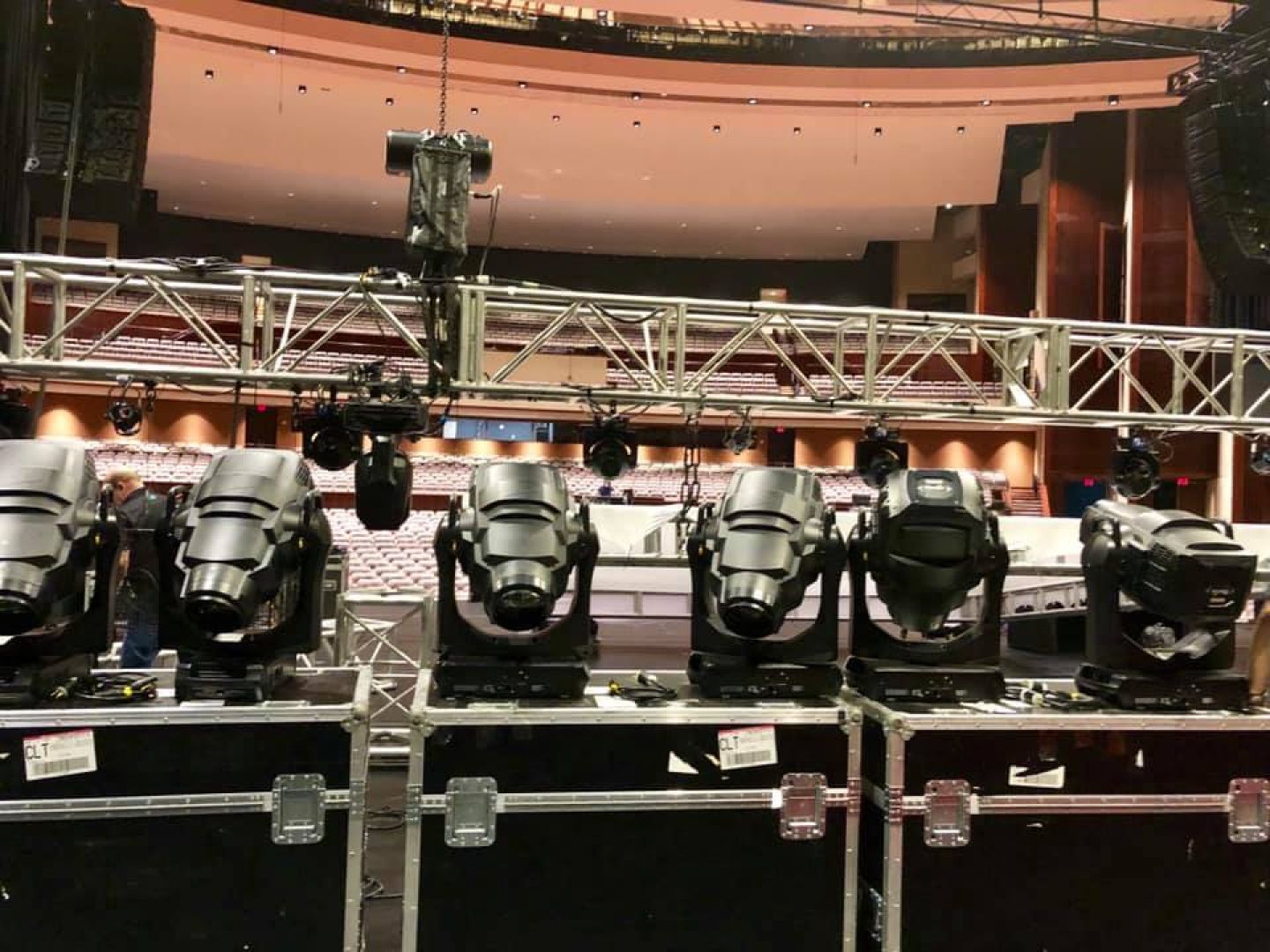
Lighting fixtures dim gradually over months and years. Speaker components degrade with consistent use. Cable connections loosen, wireless frequencies drift, and control systems fall out of calibration. None of these changes happen all at once, which makes them easy to miss without someone regularly checking the system. By the time a problem becomes obvious to the congregation, it has often been developing for a while.
The Cost of Reactive Repairs
Without ongoing support, churches can end up in a reactive cycle. Equipment fails during a service, someone scrambles to find a solution, and the problem gets addressed under pressure rather than on a planned timeline. Reactive repairs are typically more expensive, more disruptive, and more stressful for staff and volunteers than the same issue caught during a routine check. Planned maintenance allows problems to be addressed on a schedule that works for the church, not in the middle of a Sunday service.
What Ongoing Service and Support Actually Includes
Ongoing AVL support covers more than emergency repairs. It brings several distinct pieces together to keep a system running well.
Routine System Checks and Preventive Maintenance
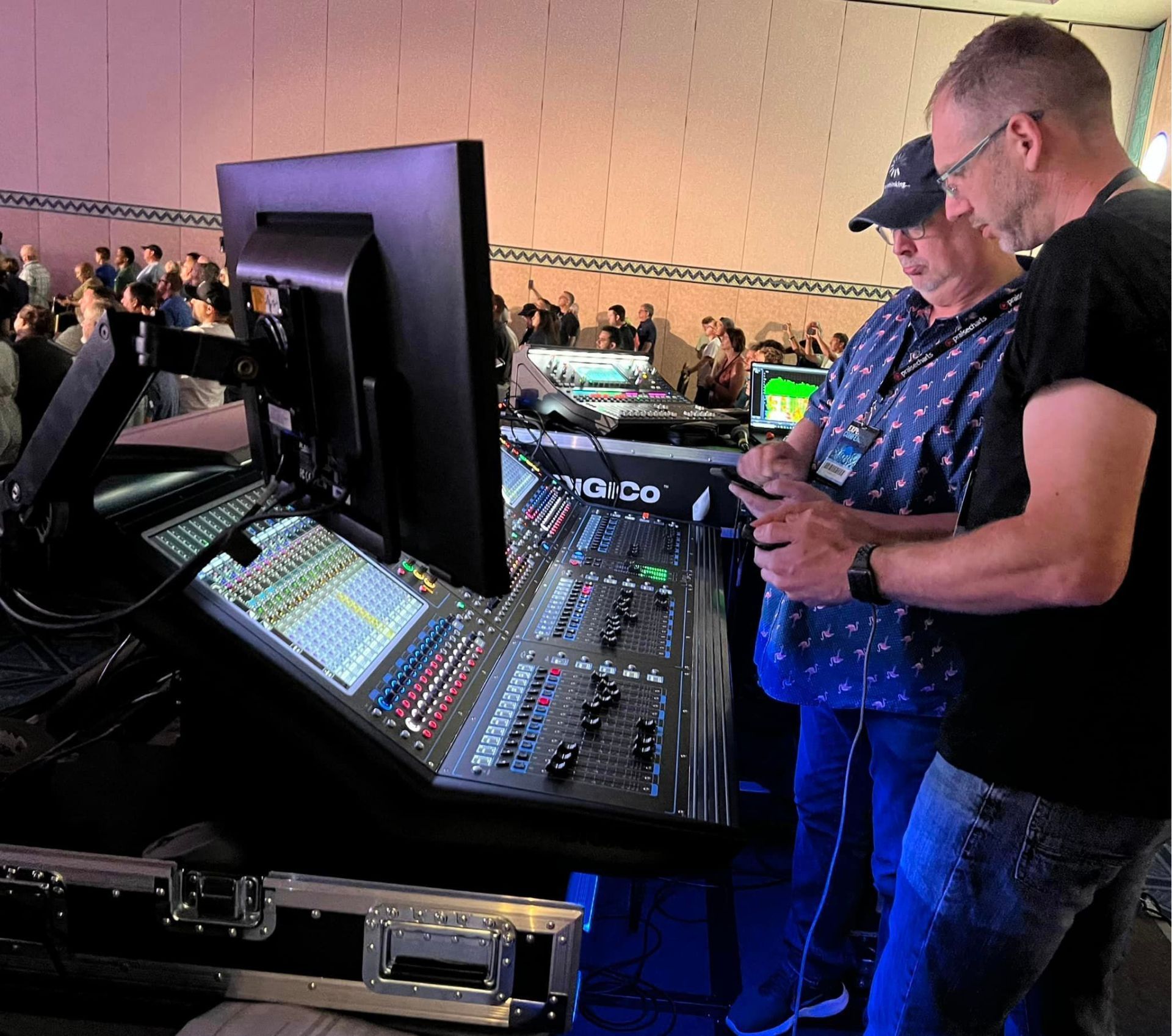
Scheduled evaluations of audio, video, and lighting components allow small issues to be identified and corrected before they affect a service. These checks look at everything from fixture output and speaker performance to cable condition and signal quality, giving the church a clear picture of system health at regular intervals rather than only when something fails.
Troubleshooting and Repair When Something Goes Wrong
Even with strong preventive maintenance, equipment occasionally fails. A responsive support team makes a significant difference in how quickly and smoothly the issue gets resolved. Working with a team that already understands a church's specific system, its configuration, and its history means less time spent diagnosing the problem and more time spent fixing it.
Software and Firmware Updates
Many components in a modern AVL system, from lighting controllers to streaming encoders, rely on software that requires periodic updates. Outdated software can quietly affect performance, create compatibility issues with newer equipment, or leave a system vulnerable to problems that a current update would have prevented. Keeping this technology up to date is a less visible part of ongoing support, but it plays a real role in how the system performs day to day.
How Ongoing Support Benefits Your Volunteer Team
Reliable systems make a direct difference in the experience of the volunteers running them. When equipment performs consistently, volunteers can focus on the service in front of them instead of troubleshooting an unfamiliar problem in real time.
Having a support team to call also reduces the burden that often falls entirely on staff or a small group of experienced volunteers. Instead of one person carrying the responsibility of keeping every system running, a church with ongoing support has a resource to lean on when something is outside their expertise. Over time, this consistency builds volunteers' confidence and reduces turnover that can result from asking unpaid team members to manage technical problems on their own.
Planning for Long-Term System Health
Ongoing support does more than address problems as they arise. It also affects how long a church's equipment lasts and how well the church can plan for the future.
Extending the Life of Your AVL Investment
Regular maintenance protects the equipment that a church has already invested in. Fixtures, speakers, cameras, and control systems that receive consistent care tend to perform reliably for longer, reducing the likelihood of premature replacement. This makes ongoing support a practical way to preserve a system's value long after the initial installation is complete.
Preparing for Future Upgrades
A support relationship that spans years also gives a church useful insight into when an upgrade makes sense. A team that has worked with a system consistently can identify patterns, such as a sound system reaching the point where an upgrade becomes more practical than continued repair, well before that decision becomes urgent. The same applies to lighting systems approaching the end of their useful life or ready for improvements in energy efficiency.
Working With a Team That Knows Your Church
There is a real advantage to continuity between the team that installs a system and the team that supports it afterward. A support provider who understands how a system was designed, what decisions were made during installation, and how the church actually uses its space day to day is positioned to provide faster, more accurate support than a provider starting from scratch.
AE Global's service and repair team works with churches on an ongoing basis, building relationships that continue well past the initial project. That continuity means fewer surprises, faster resolutions, and a system that stays aligned with how the church operates over time.
Is Your Church Getting the Support It Needs?
AVL systems perform best when a church treats them as an ongoing part of ministry operations rather than something to address only when a problem arises. Regular maintenance, responsive troubleshooting, and a team that knows the system well all contribute to reliable service and longer equipment lifespans.
At AE Global, we build that kind of ongoing relationship with the churches we serve. If you are ready to discuss what ongoing AVL service and support could look like for your church, call 800-467-3709 or
visit the website to get started.