Designing Video Systems That Serve Both In-Person and Online Audiences
Many churches today share their services with two audiences simultaneously. One group gathers in the room, participating in worship and the message firsthand. Another group joins through livestream or watches later online. Designing a video system that serves both groups well requires careful planning and thoughtful integration with the rest of the worship environment.
At AE Global, we work with churches to design video systems that support meaningful worship experiences for both in-person and online viewers. Our goal is not simply to add cameras or streaming equipment. Instead, we help churches create systems that communicate clearly, operate reliably, and remain easy for teams and volunteers to manage week after week.
Understanding the Needs of In-Person and Online Viewers
In-person attendees experience a service differently from those watching online. People seated in the room can see the entire stage, the lighting design, and the physical environment. They hear the congregation around them and feel the atmosphere of the space.
Online viewers rely on both the audio and video systems to understand what is happening during the service. The video system plays an important role in how the service is presented, with camera angles, lighting, and switching decisions shaping what viewers see. Without thoughtful design, online viewers can miss important moments or feel disconnected from the atmosphere in the room.
Designing a video system that serves both audiences means carefully balancing these perspectives. The technology should capture the life of the room while allowing those present in the sanctuary to worship without distraction.
Different Viewing Perspectives Require Different Design Choices
Because online viewers rely on cameras, their perspective is shaped by framing and shot selection. Close-ups, wide shots, and transitions help communicate what is happening on the platform.
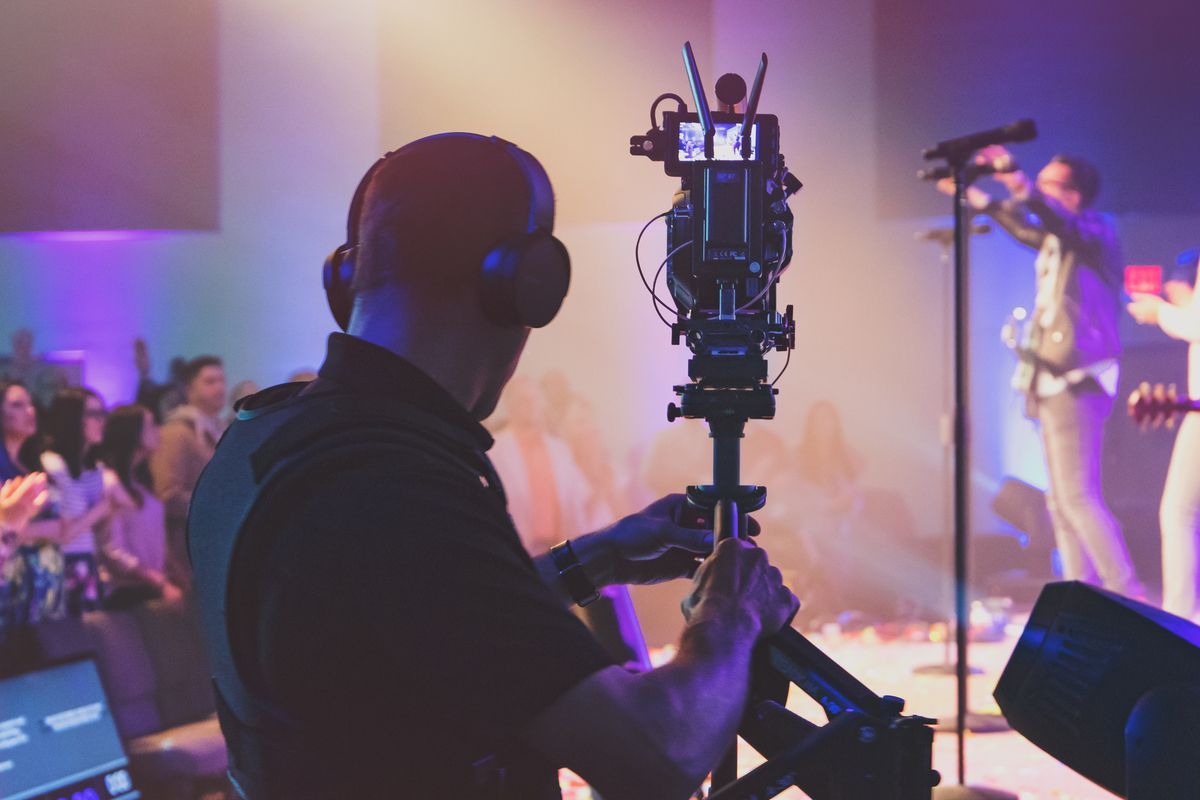
In-person attendees, however, already have a natural view of the stage. Cameras and operators should work quietly in the background without drawing attention away from the service. A thoughtful system design ensures that the congregation remains focused on worship while online viewers still experience the service clearly.
Camera Placement and Coverage Strategies
Camera placement is one of the most important factors in designing a church video system. Cameras should capture meaningful moments while remaining visually unobtrusive.
Placing cameras at appropriate distances and angles allows operators to follow speakers, musicians, and service transitions naturally. It also helps avoid awkward perspectives that may feel disorienting for online viewers.
Thoughtful placement ensures that the system provides adequate coverage without filling the room with unnecessary equipment.
Creating Natural Viewing Angles
When we design camera layouts at AE Global, we aim for viewing angles that feel natural to the audience. A camera should capture the platform in a way that reflects how someone in the congregation might view the stage.
Stable framing and smooth transitions help online viewers remain focused on the service rather than the technology behind it. Wide shots can establish the environment, while closer shots highlight key moments, such as teaching or worship leadership.
These choices allow the video system to support the message rather than compete with it.
Lighting Considerations for Dual Audiences
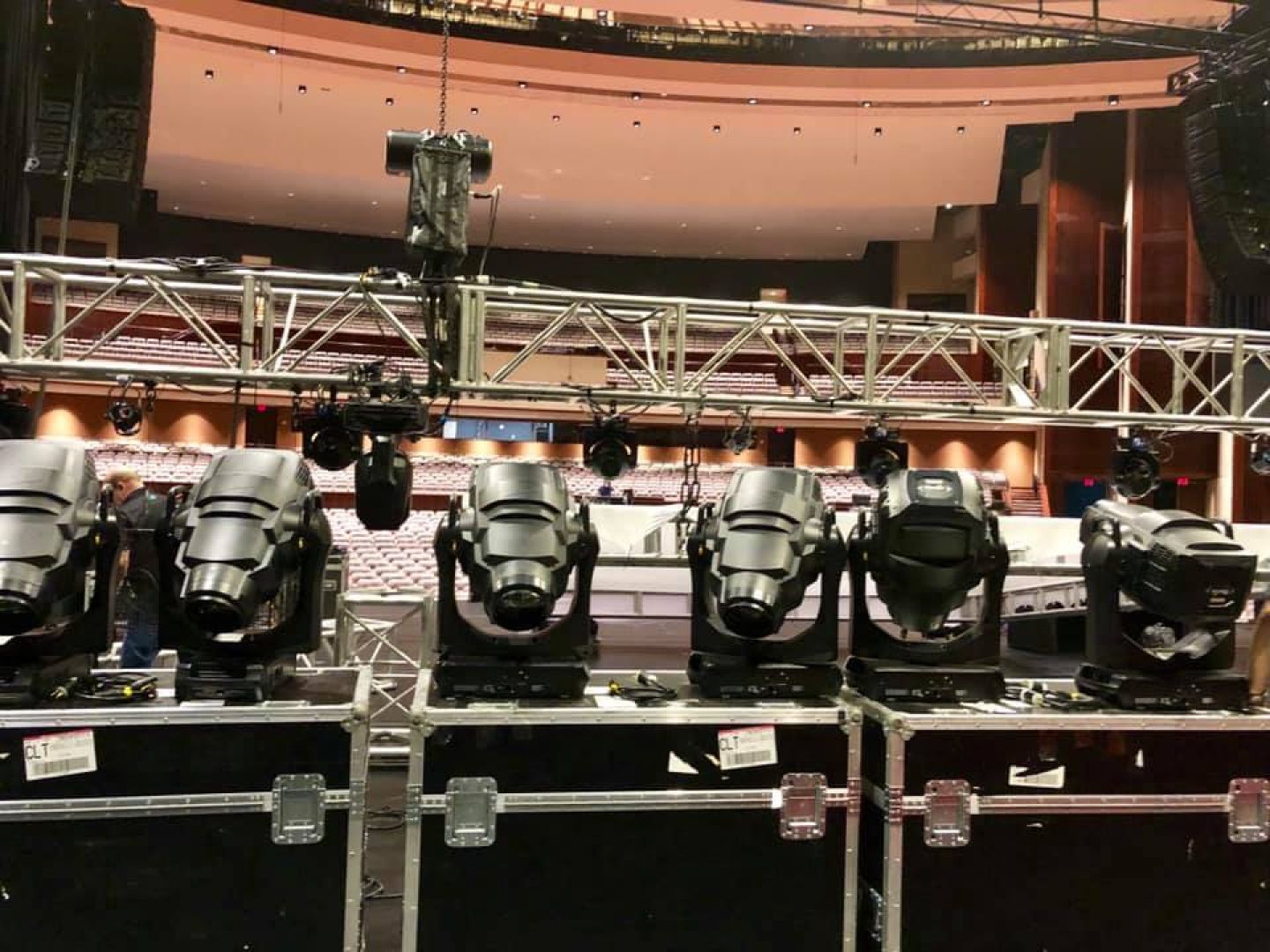
Lighting affects both the atmosphere in the room and the quality of the video image. Stage lighting that looks balanced and inviting to the congregation may not always translate perfectly on camera.
Cameras respond differently to light than the human eye. If lighting levels are uneven or color temperatures vary significantly, the image seen by online viewers may appear harsh or distorted.
Thoughtful lighting design helps ensure that both audiences experience the service clearly and comfortably.
Balancing Stage Lighting and Camera Performance
Effective lighting design considers how cameras capture the stage. Brightness levels, color balance, and contrast must be appropriate for both the room and the video feed.
At AE Global, we evaluate lighting and video systems together. By considering both elements as part of the same design process, we help churches avoid conflicts between what the congregation sees and what the camera records.
When lighting and video systems work together, the result is a clear and natural presentation that serves both audiences well.
Display and Projection Systems in Video Workflows
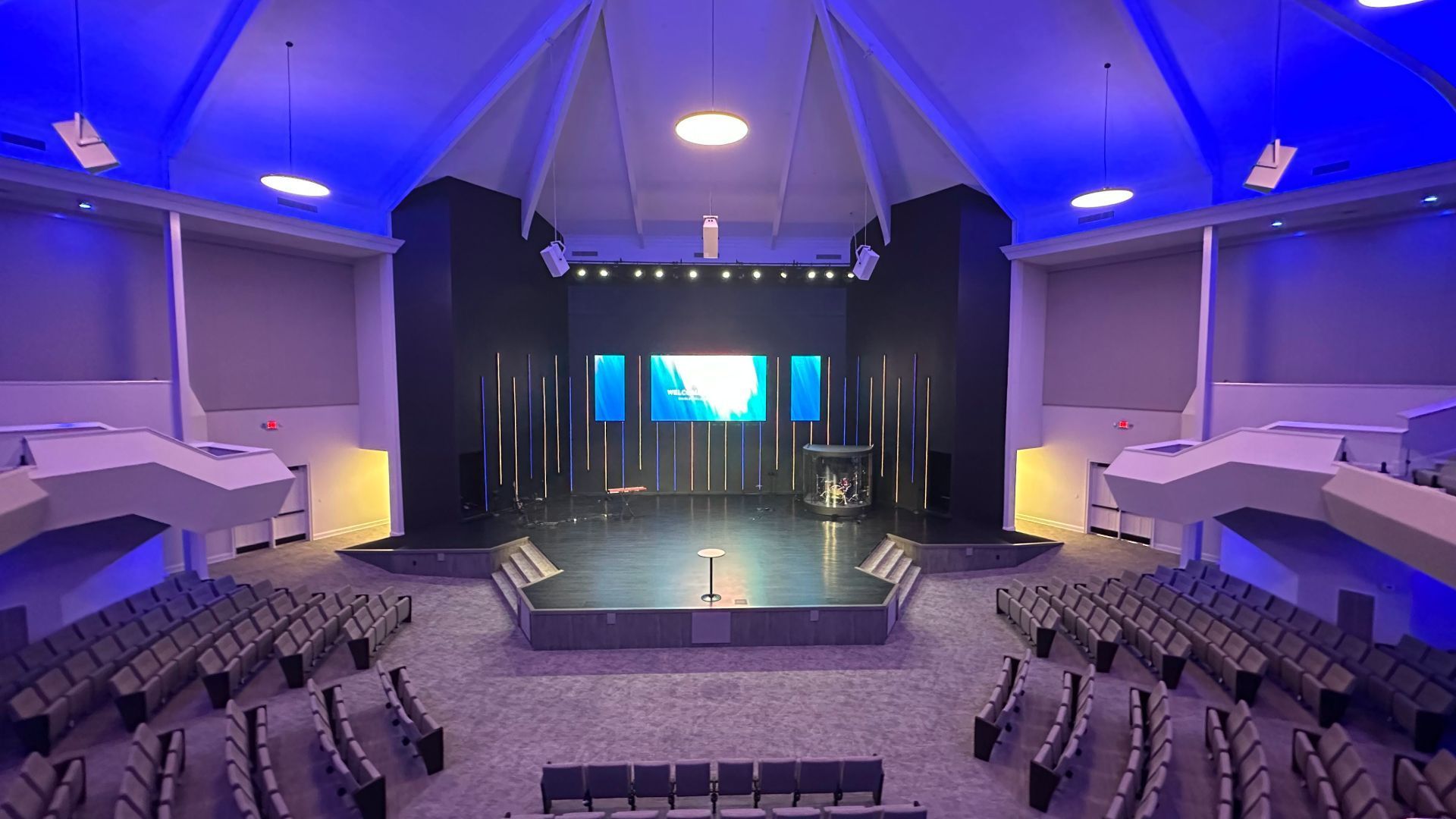
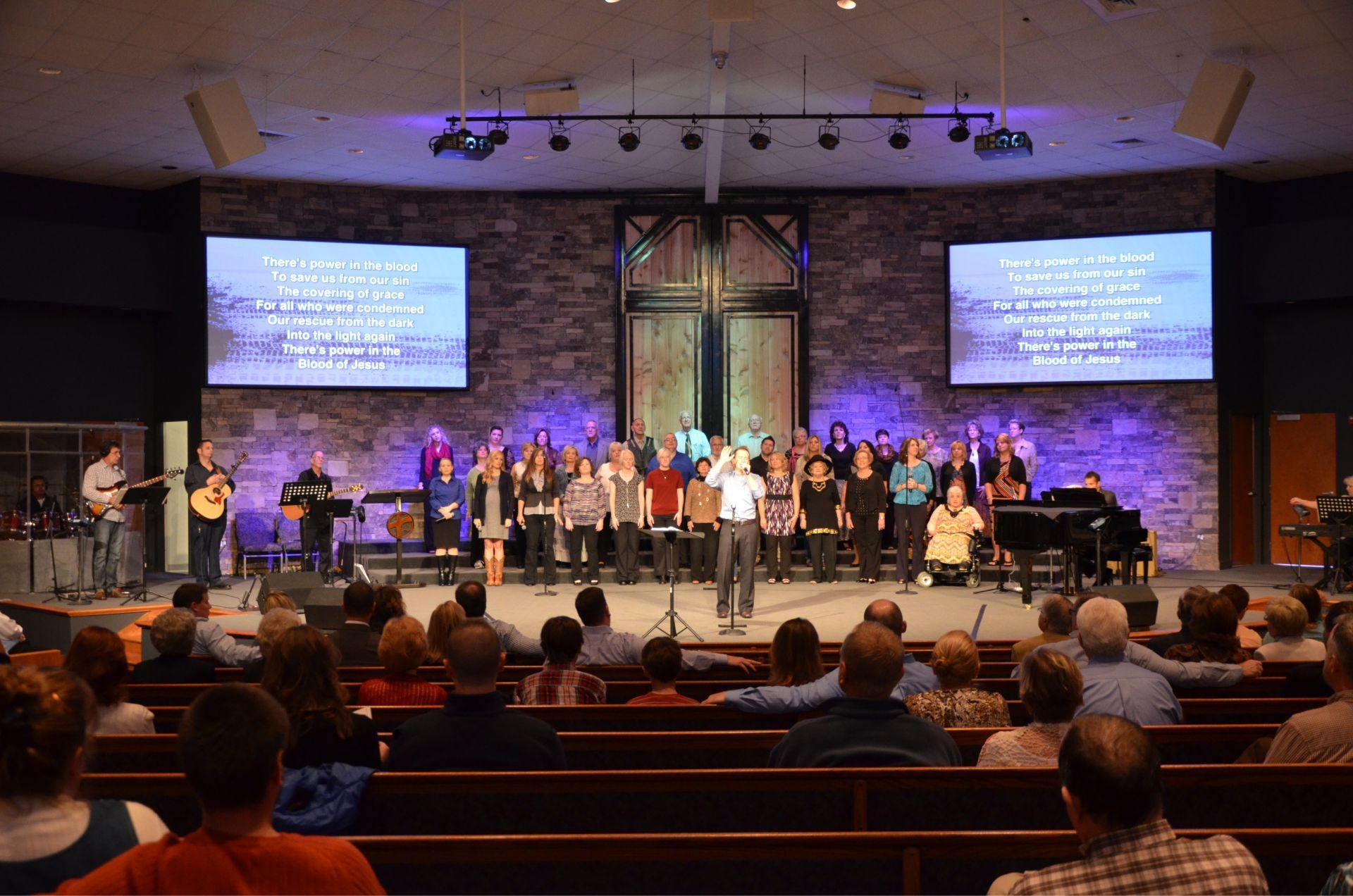
Video systems often interact with in-room display technology such as projection screens or LED walls. These displays support communication within the sanctuary while also appearing in camera shots.
If displays are too bright or poorly positioned, they can affect camera exposure or draw attention away from the stage. Balancing the relationship between displays and cameras is an important part of system design.
Avoiding Visual Conflicts Between Screens and Cameras
Careful planning helps ensure that displays support communication without interfering with the video image. Brightness levels should be balanced so screens remain readable while cameras maintain proper exposure.
Screen placement also matters. Displays should be positioned to serve the congregation while fitting naturally within camera shots.
When displays and cameras are designed together, the visual environment remains clear and cohesive.
Simplifying Operations for Church Teams
Many churches rely on volunteers to operate video systems. Complex workflows can make services stressful for those responsible for cameras, switching, and streaming.
Thoughtful system design simplifies these responsibilities. Clear signal flow, intuitive controls, and reliable switching equipment allow volunteers to focus on supporting the service rather than troubleshooting technology.
At AE Global, we design systems with real church teams in mind. Our goal is to create solutions that are dependable and straightforward so volunteers can operate them with confidence.
Designing Video Systems That Adapt as Ministries Grow
Churches often expand their use of video over time. A congregation may begin with a single camera and simple livestream, then gradually add additional cameras, graphics, or recorded content.
Designing infrastructure that supports future growth helps churches adapt without replacing their entire system. Cable pathways, mounting positions, and control systems should allow for expansion when needed.
By planning ahead, churches can gradually expand their video capabilities while protecting their investment.
How AE Global Helps Churches Build Effective Video Systems
At AE Global, we approach video system design as part of a larger worship technology strategy. We evaluate the room, ministry goals, volunteer workflow, and technical requirements before recommending solutions.
Our focus is on creating systems that communicate clearly and operate reliably. Whether a church is building a new livestream system or improving an existing system, thoughtful design helps ensure the technology serves the message rather than distracting from it.
Supporting Worship Experiences Across Every Platform
Video technology allows churches to extend their ministry beyond the sanctuary walls. When designed well, video systems help connect people who are traveling, homebound, or exploring a church for the first time.
The goal is not simply to produce a broadcast. It is to create an environment where the message, worship, and community remain clear for everyone participating.
If your church is evaluating how video supports both in-person worship and online viewers, AE Global is ready to help. Our team can assess your current system, recommend thoughtful improvements, and design video solutions that support your ministry today and in the future.
Call 800-467-3709 or visit our website to learn more about how we can help you create a video system that serves every audience.