Choosing the Best Display Technology for Your Church
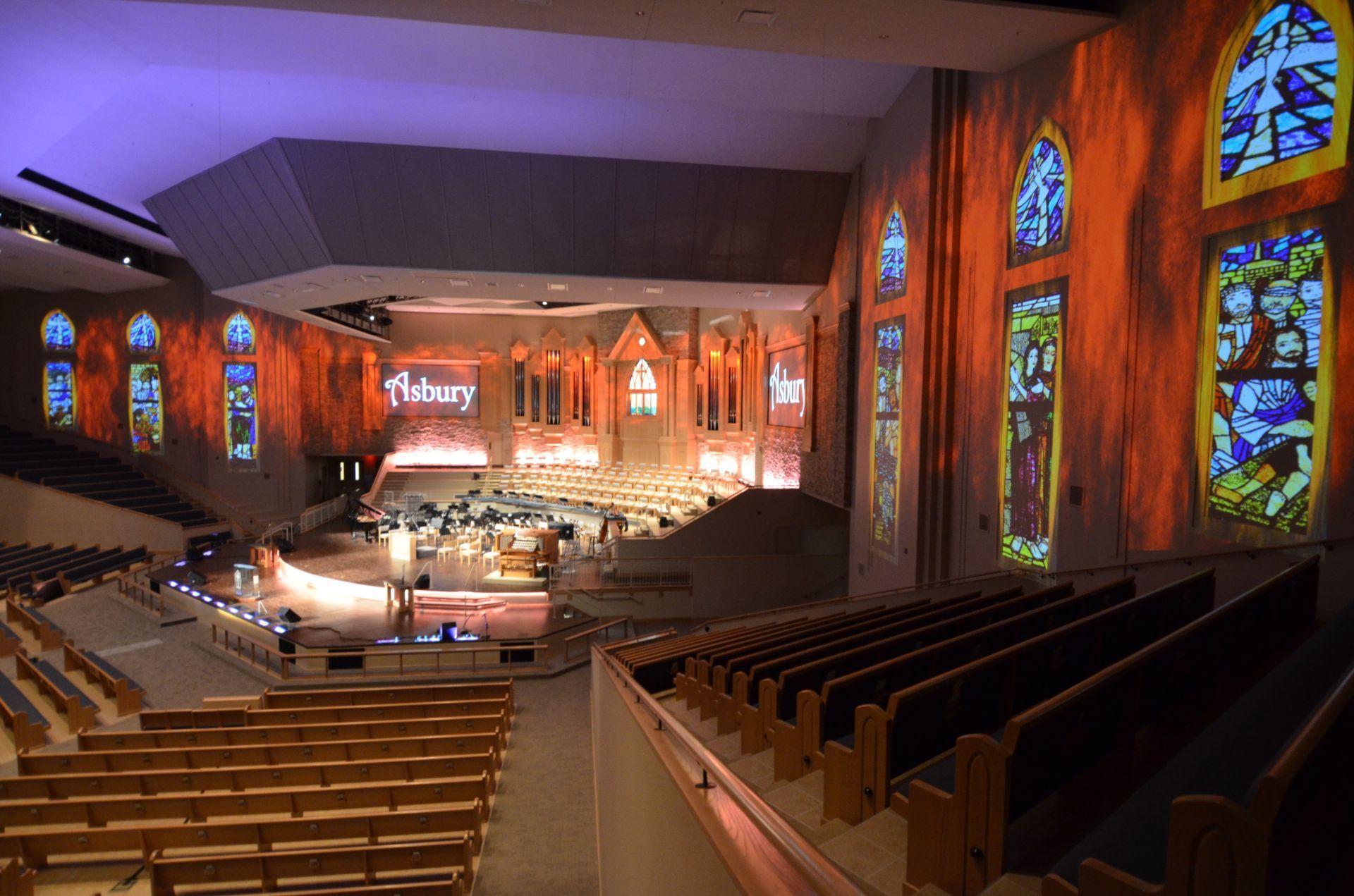
Visual communication plays a central role in today’s worship environments. From scripture and sermon notes to song lyrics and announcement graphics, display systems help guide congregations through every part of a service. At AE Global, we work with churches to design display solutions that do more than look impressive. The goal is clarity, consistency, and long-term reliability in spaces where the message matters most.
Choosing the correct display technology involves more than selecting a screen. It requires understanding the room, lighting conditions, ministry goals, and how volunteers will interact with the system each week. When display systems are designed thoughtfully, they support worship naturally and keep the focus where it belongs.
The Role of Visual Technology in Worship Communication
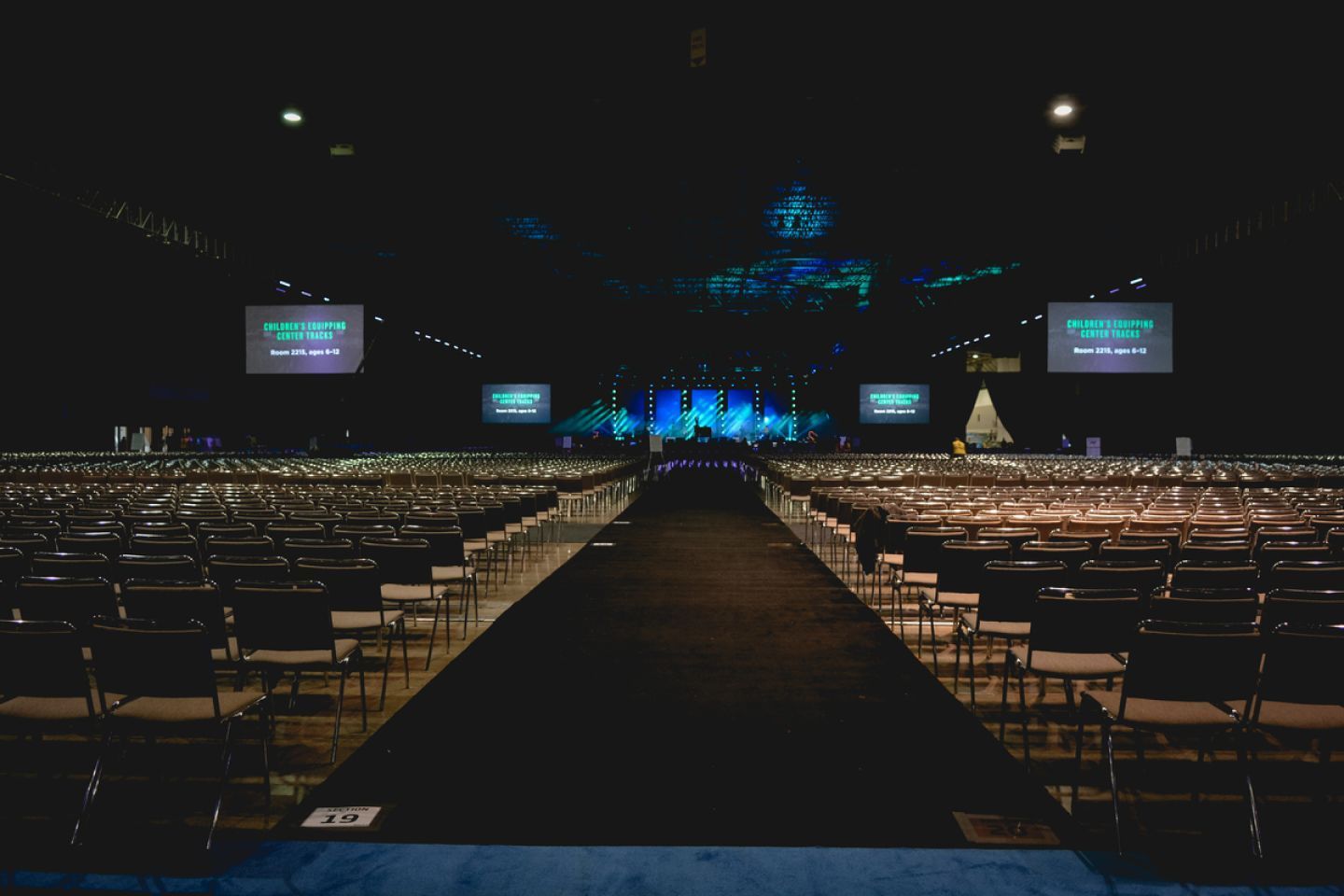
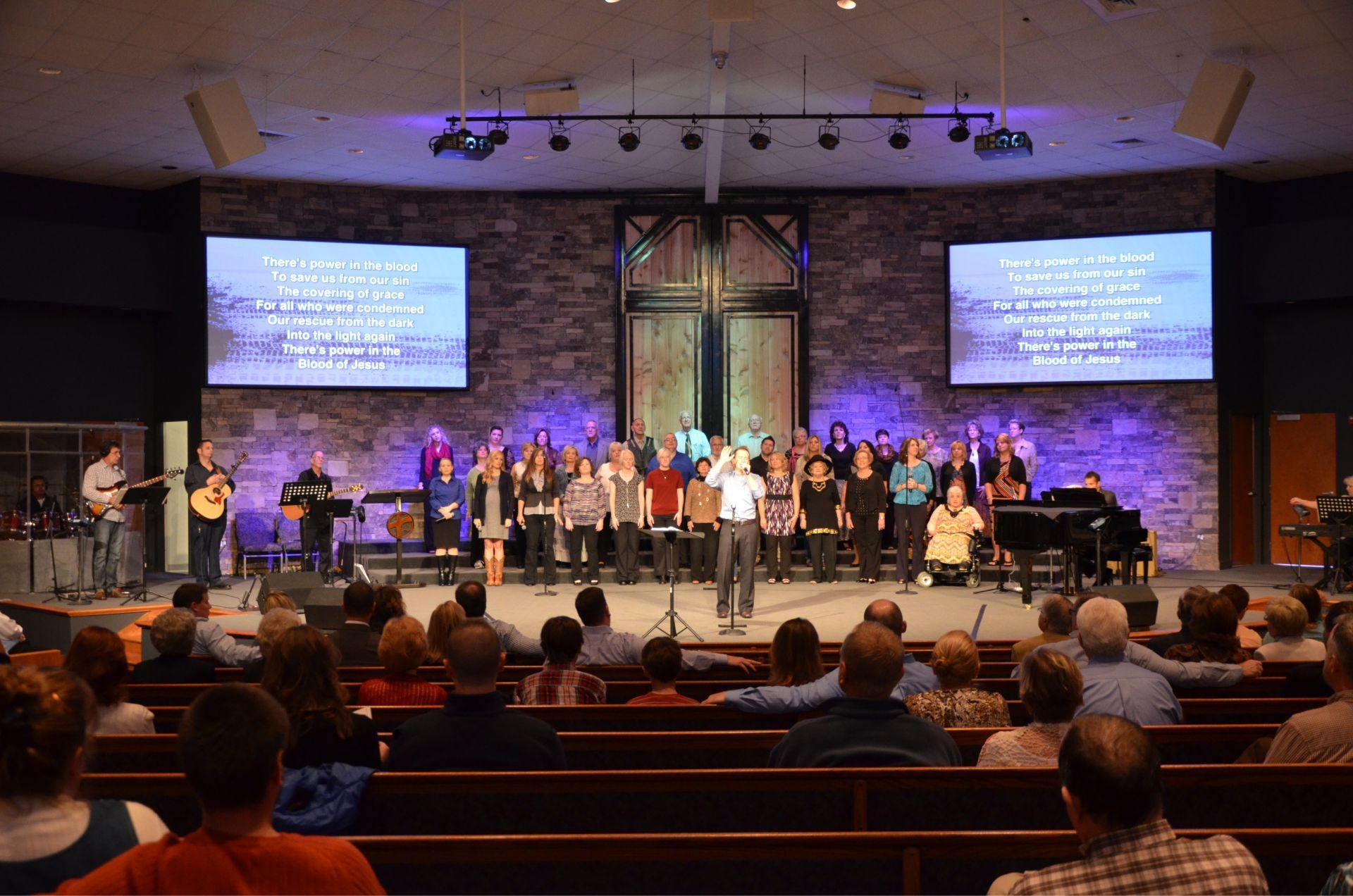
Display systems serve as communication tools. They help people follow along with lyrics, scripture readings, sermon points, and video content. In larger rooms especially, clear visuals ensure that everyone can participate without straining to see or understand what is happening on the platform.
Poor visibility can distract from worship rather than support it. Screens that are too dim, improperly positioned, or difficult to read from certain seats can create frustration. A well-designed display system, on the other hand, feels seamless. It enhances the service without drawing attention to itself.
Supporting Both In-Person and Online Viewers
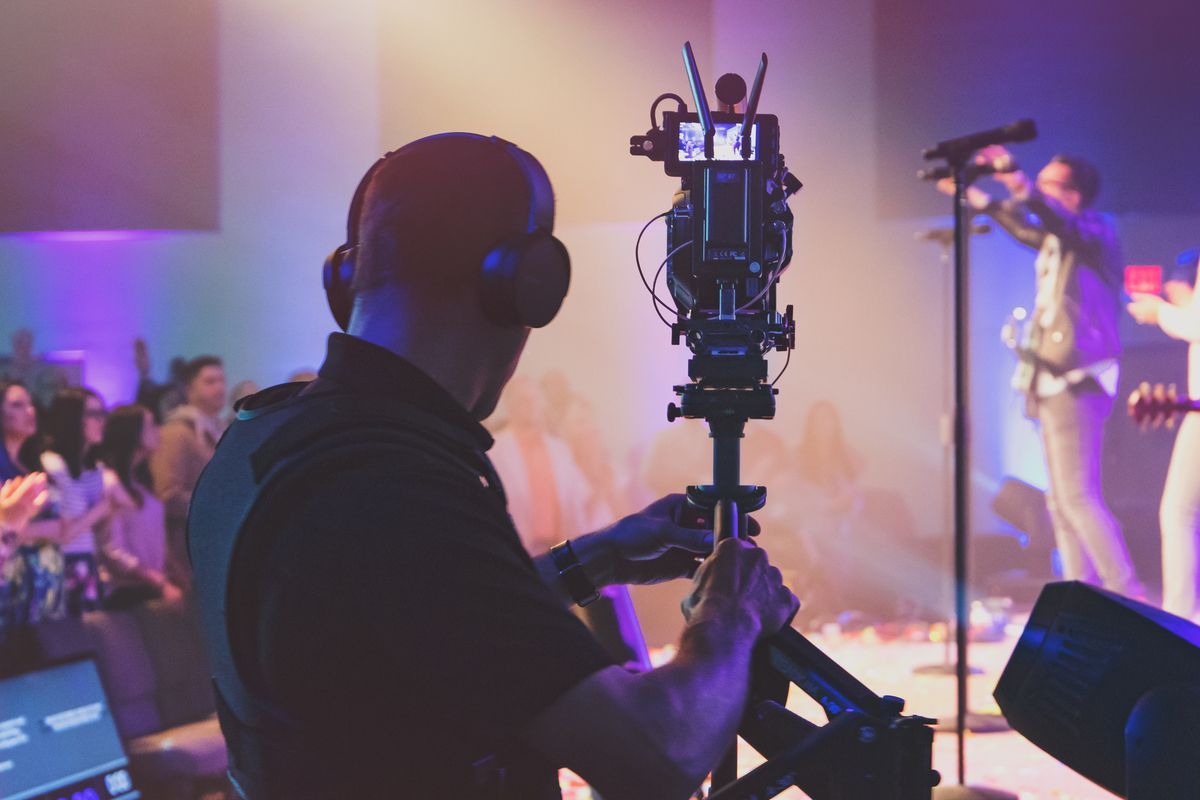
Churches today often serve two audiences at once: those seated in the room and those watching online. Display technology must function well for both groups. Bright screens that overpower camera exposure can degrade livestream quality, while underpowered displays may appear washed out in the room.
At AE Global, we evaluate how display systems interact with cameras, lighting, and room layout. By considering both in-room and online viewers, we help churches create a consistent experience across every platform.
Understanding the Main Types of Display Technology
Several types of display solutions are commonly used in church worship spaces. Each has advantages depending on room size, lighting conditions, and budget considerations.
Projection Systems
Projection remains a widely used solution in churches, particularly in rooms where lighting can be controlled. Projectors can produce large images at a relatively low cost, making them practical for medium to large-sized sanctuaries.
Brightness levels are critical, especially in rooms with significant natural light, where projected images may appear faded if the projector lacks sufficient lumen output. Screen material selection also affects overall clarity and contrast.
LED Video Walls
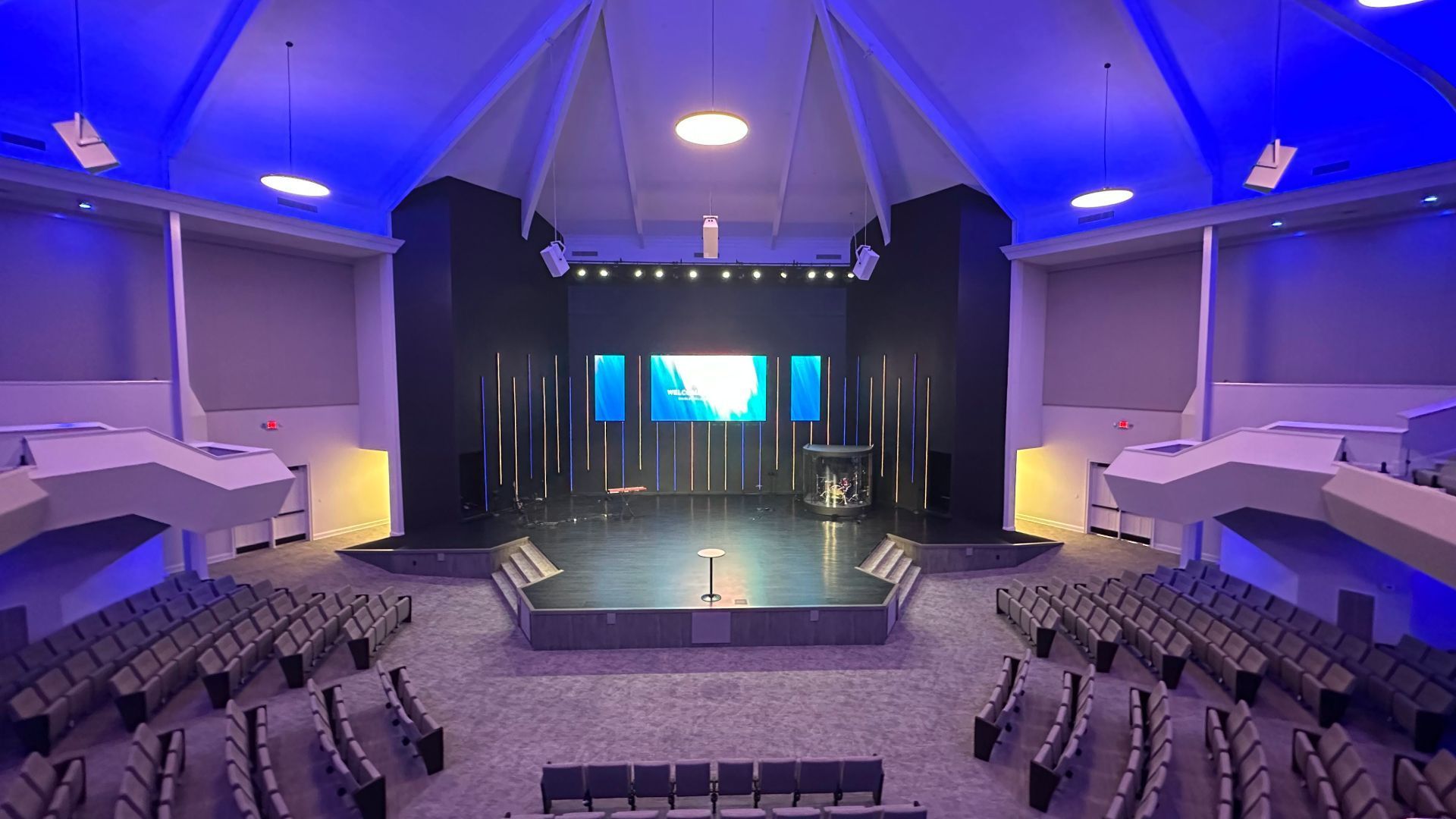
LED walls offer high brightness and strong contrast, making them well-suited for spaces with dynamic lighting or natural daylight. Because LED panels produce their own light rather than reflecting it, they perform consistently across various lighting conditions.
Pixel pitch is an important factor in LED design. It determines how close viewers can sit while still seeing a smooth image. In worship spaces, matching pixel pitch to viewing distance ensures clarity without unnecessary cost.
Commercial Flat Panel Displays
Flat panel displays are commonly used in smaller sanctuaries, classrooms, overflow rooms, and lobby areas. They offer consistent image quality and straightforward installation.
While large flat panels are available, their size limitations make them less practical for very deep rooms. They are often best suited for secondary spaces or smaller gathering areas.
Matching Display Technology to the Worship Space
No display technology works equally well in every environment. The room itself influences what will perform best.
Room Size, Viewing Distance, and Sightlines
Screen size should be determined by viewing distance and seating layout. If a screen is too small, congregants may struggle to read lyrics or sermon notes. If it is too large, it can overwhelm the space visually.
Mounting height and placement are just as important as size. Every seat should offer a comfortable viewing angle without forcing attendees to tilt their heads or shift in their seats.
At AE Global, we carefully evaluate sightlines to ensure the display serves the entire room effectively.
Ambient Light and Architectural Considerations
Natural light, ceiling height, wall colors, and stage lighting all influence how displays appear. A system that performs well in a dimly lit room may struggle in a space with large windows or bright architectural finishes.
By carefully assessing the lighting environment, we help churches select display technology that maintains readability and color accuracy in the space.
Resolution, Brightness, and Image Quality Explained Simply
Technical specifications can feel overwhelming, but understanding a few key concepts helps clarify the decision-making process.
Resolution affects image sharpness. HD remains sufficient for many worship spaces, while 4K resolution offers additional detail for larger screens or rooms where viewers sit closer to the display. The right choice depends on screen size and typical viewing distance.
Brightness, often measured in lumens or nits, determines how well an image stands out in the room’s lighting conditions. Higher brightness is not always better. The goal is balanced readability that complements the worship environment rather than overpowering it.
Color accuracy and contrast also influence clarity. Displays should present scripture and lyrics clearly without distortion or glare.
Planning for Integration and Volunteer Operation
Display systems do not operate in isolation. They must integrate with media software, audio systems, lighting cues, and control platforms.
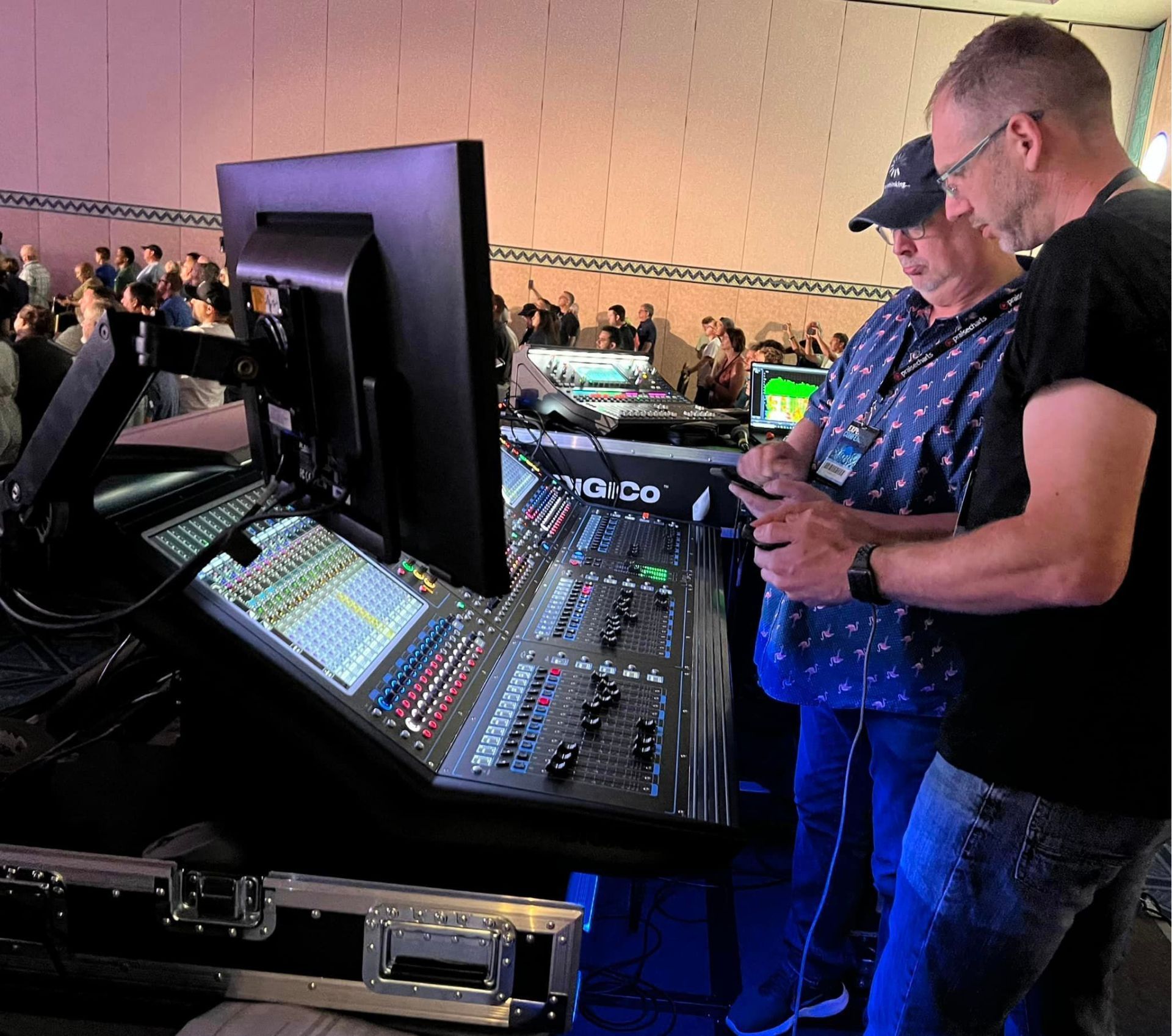
A thoughtful design simplifies volunteer operations. Clear signal flow, intuitive switching, and preset configurations reduce stress during live services. When volunteers feel confident operating the system, transitions remain smooth, and distractions are minimized.
At AE Global, we prioritize user-friendly control systems that align with each church’s workflow. The best technology is not the most complex. It is the technology that supports your ministry effectively week after week.
Designing for Long-Term Flexibility
Ministry needs evolve over time. Congregations grow. Worship styles shift. Streaming becomes more prominent. A display system should be designed with adaptability in mind.
Infrastructure planning plays an essential role in long-term flexibility. Mounting systems, signal pathways, and control integration should allow for future expansion without requiring complete replacement.
By thinking beyond immediate needs, churches can protect their investment and adapt gradually as technology advances.
Making a Thoughtful Decision With the Right Guidance
Choosing the right display technology requires balancing multiple factors. Budget, room conditions, volunteer experience, and ministry goals all influence the final decision.
At AE Global, we approach each project with careful evaluation rather than assumptions. Our process involves understanding how the space is used, identifying challenges, and recommending solutions that align with both technical requirements and ministry vision.
The objective is not simply a brighter screen or a larger image, but clear communication that supports worship, teaching, and community engagement.
Partner With AE Global to Design the Right Display Solution
Every worship space is unique, and selecting the right display technology for your church depends on thoughtful planning. AE Global partners with churches to evaluate their environments, recommend appropriate solutions, and implement systems designed for clarity and reliability.
If your church is considering new display technology or upgrading an existing system, our team is ready to help. Call AE Global at 800-467-3709 or visit our website to learn how we can design a display solution that supports your ministry today and into the future.